
Disclaimer: Some of the highlighted links within this post are affiliate links from Amazon and other providers. This means if you click on them and make a purchase, I might earn a small commission at no additional cost to you. For further information, please see the privacy policy and cookie policy. In addition, if you wish to ensure that your personal information is not passed on to third party advertisers, you can request that via the Do Not Sell or Share My Personal Information page.
Southeast Asia Packing List – The Ultimate Backpacking Checklist
What should you pack for Southeast Asia?
The Quick Answer
For most backpacking trips, a 40–50 litre backpack is plenty. Pack lightweight clothing, comfortable walking shoes, swimwear, a rain poncho, insect repellent, sunscreen, a universal travel adapter, a power bank, basic toiletries and important travel documents. Plan to do laundry as you travel rather than packing for the entire trip.
The following provides a starting list:
☐ 40–50L backpack
☐ 15–20L daypack
☐ 5–7 lightweight tops
☐ 2–3 pairs of shorts/trousers
☐ Underwear & socks
☐ Swimwear
☐ Walking shoes/sandals
☐ Lightweight rain poncho
☐ Universal travel adapter
☐ Power bank
☐ Sunscreen
☐ Insect repellent
☐ Basic first-aid kit
☐ Passport & copies
☐ Travel insurance documents
For a complete packing list, skip here to the Conclusions
Alternatively, to understand the full article, with detailed discussions and recommendations, read on.
Why should you listen to me?
I’ve backpacked extensively around Southeast Asia, Europe and elsewhere for over 30 years. I’ve also lived and worked in Southeast Asia at various times.
Over that time, I’ve made plenty of packing mistakes, and the biggest thing I’ve learned is that most travellers pack far too much.
The key to enjoyable backpacking is to travel light.
Only carry what you really need. Most other things can be bought locally if needed.
This is the packing list I’d recommend to someone heading off on their first solo backpacking trip through the region.
Summary
This post sets out a Packing Guide for those who intend to go solo backpacking in Southeast Asia.
Its content is based on experience gained from over 30 years of travel.
It sets out everything that you need to know, from presenting a detailed list of clothing items, through to setting out the required contents of your wash bag.
It provides useful tips, explaining why certain things are included, and others are rejected. It additionally provides useful links to selected products that will make your travels easier.
It also assumes that you will travel with a 40 – 50 litre backpack and a 15 to 20 litre day bag.
The key message within this post is that:
- you should travel light;
- only carry what is essential; and
- seek to reduce your packing needs by using local launderettes and retail suppliers.
There are, however, some things that you must take from home. These include:
- all of your travel documents;
- your medications; and
- certain items of clothing, particularly if you are, how shall we say, oversized.
Opportunity is available throughout the post for you to provide feedback on your own experiences.
If you want to just cut straight to the summary packing list, you can do this here.
Also, if you have any other questions about backpacking in Southeast Asia, the accompanying post is worth a read.
Introduction
I am a solo traveller with over 30 years’ experience of backpacking around Europe and Asia.
Over that time, I have learned, through bitter experience, how to successfully decide what to pack in my backpack and day bag.
Now, I only take the things I know I will need. Everything else is left at home.
This means my backpack and day bag are both relatively light, allowing me to go wherever I want whenever I want.
This post sets out to pass this knowledge on to you. Hopefully, in this way, it won’t take you 30 years to discover what I now know.
Remember, unlike that family holiday in Benidorm where:
- suitcases were filled to the brim; and
- stayed in your hotel room throughout the holiday
everything you place in your backpack and day bag needs to be carried, day after day.
If an item is not essential, it’s best left at home
Southeast Asia is not the end of the world. It has a plentiful supply of well stocked shops selling all the essentials of life. Generally, anything you forget can be easily bought as you go along.
The major exceptions to this are:
- some clothing items, particularly if you are, how shall we say, oversized;
- prescription medicines; and
- essential travel documents.
Believe me, trying to find a pair of 44 inch waisted shorts in Southeast Asia is like searching for a needle in a haystack – Asian men are just smaller than us westerners.
In this post, I have set out only those items that you need to pack in either your backpack or your day bag.
Anything else is a luxury that you don’t need.
More importantly, it is a luxury that you have to carry for no reason.
If you would like to read about some of my overland adventures, both in Southeast Asia and elsewhere, these can be found here at the end of this post.
Planning Your Southeast Asia Packing List
Wherever You’re Going, Travel Light
Creating the perfect Southeast Asia packing list can be overwhelming.
With so many places, activities and travel styles to consider, it’s easy to overpack. The good news is you don’t need to carry your entire wardrobe to enjoy an unforgettable trip.
Whether you’re planning to:
- island hop in Thailand;
- explore Vietnam by train;
- visit Cambodia’s ancient temples;
- watch the sunrise over volcanoes in Indonesia;
- see the orangutans in Borneo;
- absorb Chinese culture in Penang, Malaysia;
- spend lazy days on a tropical beach in the Philippines; or
- go trekking through northern Laos
travelling light makes every journey easier.
You Don’t Need A Large Sized Bag
Most experienced backpackers agree that:
- a 40 to 50-litre backpack;
combined with
- a small 15 to 20 litre day bag
will provide more than enough space for an extended trip through Southeast Asia.
What Should You Pack
This guide explains what you need to pack, focusing specifically on solo travellers who intend to stay in hostels or budget priced hotels.
In the following sections, you’ll find a comprehensive Southeast Asia backpacking checklist. These sections cover:
To make life easy, each topic in the checklist can be directly accessed using the links above or the ‘Page Contents’ tag attached to this page.
What Clothing Should You Pack
It’s Hot – Choose Summer Clothing
One of the biggest mistakes first-time backpackers make is packing too many clothes.
Remember, the climate in Southeast Asia is consistently hot and humid. You don’t need a wide range of clothing.
At worst, you might need a sweatshirt / fleece if you plan to visit:
- Sapa in northern Vietnam
- The uplands of northern Luzon in the Philippines
- The Cameron Highlands in Malaysia
- A volcano or two in Indonesia
It Can Rain – Bring a Poncho
However, it can rain ‘cats and dogs’, particularly in the monsoon season.
A robust lightweight poncho is an essential accessory.
That is, unless you are happy to get soaked to the skin in a matter of seconds.
Use Local Laundries – They’re Cheap
Also, unlike Western Europe and the States, laundry services are very cheap, surprisingly quick and widely available throughout Southeast Asia.
Thanks to this, there’s no need to pack additional clothing items just in case you run out of clean clothes.
You do, however, need to be ‘organised’ in your daily routines while travelling.
You need to plan your life while travelling
Bring a linen laundry bag
Plan to use cheap laundries to minimise the number of clothes you need to carry
A Complete Clothing List
This is the maximum amount of clothes you need:
- Seven or eight very lightweight T-shirts / tops
Take several T-shirts. It can be very humid, so you may need to change during the day, particularly if you intend to do a lot of walking.
- One sweatshirt / fleece
Take a sweatshirt / fleece. You’ll need it on air-conditioned buses and if you intend to venture into high altitude locations.
- Three pairs of shorts / skirts or perhaps three lightweight dresses
- One pair of lightweight trousers / slacks
- A lightweight scarf to cover the upper body / head
Lightweight trousers / slacks and a headscarf are useful for visiting temples, evening wear and mosquito protection
- Seven to eight pairs of underwear
- A few (three or four) pairs of socks for those times when they are needed
Socks are essential if you plan to walk in rural areas – They protect your legs from insect bites
- Lightweight sleepwear
- Swimming trunks / swimsuit
- Lightweight waterproof jacket or poncho
Ponchos are great. They can fit over your backpack, are lightweight and take up minimal room in your day bag.

An Optional Extra
- One smart-casual outfit for restaurants or nightlife, if that is your thing
Packing smart clothes for ‘Going Out’ is not necessary – Few people ‘Dress Up’ when backpacking.
You can find a summary of this ‘Clothes’ packing list here in the conclusions at the end of this post.
When choosing which clothes to take with you, select those that are made of breathable fabrics – this will ensure they will dry quickly in humid conditions.
If you want to provide any feedback on this ‘Clothes’ packing list, you can do so on the feedback form at the end of this post.

Footwear, Keep Things Simple
Only Take Two Pairs of Shoes
Just take two pairs of shoes:
- One pair of comfortable trainers will be ideal for sightseeing and travelling
while
- Flip-flops or sandals are perfect for beaches, hostel showers and relaxing around town.
When choosing shoes, make sure each pair is suitably ‘worn in’ and in good condition before setting out.
You Don’t Need Anything Else
It is unlikely you will need formal shoes, high heels, fashion boots or anything else, so just leave them all at home – These items take up room and add extra weight, while serving very little purpose when travelling.
You don’t need formal shoes, high heels or fashion boots – Leave them all at home.
You can find a summary of this ‘Footwear’ packing list here in the conclusions at the end of this post.
If you want to provide any feedback on this ‘Footwear’ packing list, you can do so on the feedback form at the end of this post.
Hostel Essentials
Using hostels is the best way to meet fellow travellers and keep accommodation costs low.
However,
packing a few extra items will make your stay more comfortable.
- Microfibre travel towel (Many hostels charge extra for the hire of towels) Every solo traveller backpacking through South East Asia should include the following within their packing list.Every solo traveller backpacking through Southeast Asia should include the following within their packing list.Every solo traveller backpacking through South East Asia should include the following within their packing list.
Hostel Essentials Every Solo Backpacker Needs
Every solo traveller backpacking through Southeast Asia should include the following within their packing list.
- A Microfibre travel towel
Take a travel towel – many hostels charge extra for these

- Combination padlocks for both your rucksack and your hostel locker
Take combination padlocks – They save you having to carry or store a key during the day or overnight – Just make sure you remember the combination number

- Packing cubes
Packing cubes are great for organising your clothes, allowing you to find your clothes without having to unpack everything.

- Lightweight linen laundry bag
Take a linen laundry bag – It will help keep your dirty clothes in one place, ready for a quick dash to the laundry.

- Silk or lightweight sleeping liner
Take a sleeping liner – many hostels charge extra for the hire of bedding

- Camping mess kit – (Cup / mug, bowl, plate, knife, fork, spoon and beer bottle opener)
Take a traveller’s set of crockery and cutlery – It makes eating impromptu meals much easier – Just remember to put the knife in your hold luggage when flying though, otherwise you may lose it.

- Laundry washing tablets
Carry a few laundry washing tablets in a small plastic container – Ideal for use in self service launderettes
- Reusable water bottle
In Southeast Asia you can’t drink the local tap water
You should either:
- use filtered water from the hostel; or
- buy disposable bottled water
You can find a summary of this ‘Hostel Essentials’ packing list here in the conclusions at the end of this post.
If you want to provide any feedback on this ‘Hostel Essentials’ packing list, you can do so on the feedback form at the end of this post.
Toiletries
Keep toiletries to a minimum – Replacements are inexpensive and easy to find across the region.
Your Wash Bag List
Your washbag list should be restricted to:
- Toothbrush and toothpaste
- Deodorant
- Travel-sized shampoo and body wash
- Razor, shaving gel and spare razor blades
- Hairbrush or comb
- Nail clippers
- Moisturiser / Lip balm
- High-SPF sunscreen
- Insect repellent containing DEET or picaridin

- Hand sanitiser
- Wet wipes / Pocket tissues
You can find a summary of this ‘Toiletries” packing list here in the conclusions at the end of this post.
If you want to provide any feedback on this ‘Toiletries’ packing list, you can do so on the feedback form at the end of this post.
Health and Safety
Looking after your health and safety is important, even if you rarely become ill.
Carrying a compact medical kit is a must. This should include:
Basic First Aid Kit
- Small basic first aid kit

Additional Basic Medications
A Basic First Aid Kit, although essential, usually contains just plasters, bandages, scissors, etc. This is great for an emergency, but you need to carry some basic medications as well.
You will also need to pack:
- Painkillers
- Anti-diarrhoea medication
- Constipation remedies
- Oral rehydration salts
- Antihistamines
- Motion sickness tablets
- Blister plasters
- Antiseptic cream
- Tweezers
Also, adding a whistle, emergency contact card and personal safety alarm can provide extra peace of mind.
Packing basic medications can be a life changer – Discovering you need one of the above medications in the middle of the night, with no help on hand, is not fun – Even if it’s just something to cure a hangover.
Prescription Medications
If you need to carry any prescription medications, these should remain in their original packaging and be accompanied by a copy of your prescription.
If this is not possible, place the medications in a sealable plastic box and place the ‘collapsed’ packaging and a copy of the prescription in the same box.
You can find a summary of this ‘Health and Safety” packing list here in the conclusions at the end of this post.
If you want to provide any feedback on this ‘Health and Safety’ packing list, you can do so on the feedback form at the end of this post.
Electronics
Technology makes solo travel safer, easier and more enjoyable
But
It’s important not to overload your backpack.
Essential Electronics Packing List
A sensible electronics list should be confined to:
- A smartphone
- A phone charger
- A universal travel adapter

- Power bank(s)
Small power banks are better than ‘heavy bricks’,
Even if you need two of them
They’re light and fit in your pocket

- Charging cables
- Earphones or headphones
- Smart tracker tags
Smart trackers are a must for keeping track of your belongings

In addition, a compact extension lead with multiple USB ports can be invaluable in hostel dormitories where power sockets can be limited.

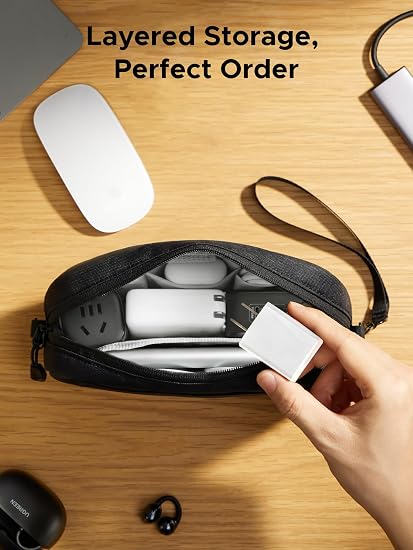
Having a dedicated electronics gadget bag can be a useful way of keeping everything in one place.
Other Electronic Equipment
Many travellers bring a Kindle or other e-reader instead of books
While
Photography enthusiasts may wish to pack a lightweight camera.
Kindle Readers
Kindle readers range in both size and price. An entry level reader can cost less than £100.

Compact Cameras
Modern high spec smartphones have better camera capabilities than some cheap lightweight cameras.
The benefit of carrying a cheap compact camera is therefore somewhat questionable, especially if you just want personal holiday snaps.
However:
If you want to take high quality photos, you need to consider buying either:
- a high spec lightweight compact camera such as the Sony RX100vii
- or a DSLR camera with interchangeable lenses.
The latter are heavy and difficult to carry.
The Sony RX100vii is small, relatively light and offers:
- 20.1 Megapixels picture resolution
- A very high specification ZEISS F2.8 – 4.5 zoom lens (24mm to 200mm)
- A selectable manual / automatic operating system with a choice of both shutter and aperture priority
- A 3 inch tiltable touchpad viewing screen
- A built-in pop-up flash
- 4K HDR video capability
It weighs just 300 grams and measures only 102mm x 58mm x 43mm (4in x 2.4in x 1.7in).
On the downsides:
- it costs over £1000; and
- doesn’t include a location referencing system, as found on smartphones.
The latter can be achieved, however, through pairing the camera with a smartphone.
If you want to dream a bit more, further information can be found below:

Full disclosure
I own an earlier Sony RX100vi camera and find it ideal for travel photography – Whether it produces significantly better photos than my iPhone 15 is debatable, however.
To be honest though, despite all the RX100vi’s built-in features, I tend to just use it on automatic mode most of the time, so maybe I’m not fully exploiting its potential.
At the end of the day, the decision of whether to take a ‘proper’ camera, in addition to your smartphone, falls to personal choice, as much as anything else.
Carrying a DSLR camera while backpacking can nonetheless be tiresome
You can find a summary of this ‘Electronics’ packing list here in the conclusions at the end of this post.
If you want to provide any feedback on this ‘Electronics’ packing list, you can do so on the feedback form at the end of this post.
Personal Items
There are a number of other essential personal items that you should include in your packing list.
Other Small Items to Pack
These items include:
- Sunglasses
- Reading glasses or spare everyday glasses
- Wallet / purse
- Small reusable and foldable shopping bag
- Sun hat
- Notebook and pen
- Anything else that you deem as being essential and small enough to carry – maybe a good luck charm, etc.
Optional Items
Although not essential, these items often prove surprisingly useful during extended backpacking trips.
Other Items to Consider
- Snorkelling mask
- Dry bag for boat trips

- Head torch

- Pack of playing cards
- Travel clothesline

If space allows, these can make your travels a little bit easier without significantly increasing the weight of your backpack.
You can find a summary of this ‘Personal Items’ packing list here in the conclusions at the end of this post.
If you want to provide any feedback on this ‘Personal Items’ packing list, you can do so on the feedback form at the end of this post.
Travel Documents
Your passport is the most important document on your Southeast Asia packing list, but several other documents deserve equal attention.
Travel Documents You Should Never Forget
You must remember to assemble and pack the following:
- Passport
Make sure, at a minimum:
- your passport is valid for at least a further six more months; and
- has at least 2 blank pages for future entry / exit visa stamps
In reality, you will need more than these minimum requirements if you plan to travel for an extended time.
- Visas
Make sure you have researched visa requirements and have obtained any required visas before travelling
- Travel insurance documents
Make sure your travel insurance meets your needs
Do you need:
- extended stay insurance (Backpacker insurance)
- cover for specific activities
- cover for special medical needs
- Flight confirmations
Do you know you can buy ‘Open Jaw’ tickets that allow you to fly home from a different airport
- Hostel booking confirmations for your first accommodation
- Debit and credit cards
- Driving licence and any necessary International Driving Permits if you plan to hire a vehicle legally
- Emergency cash in local currency and a small amount of US dollars
Check out my ‘Backpacking in Southeast Asia -FAQs‘ post for further advice on all these ‘Travel Document’ related issues
You can find a summary of this ‘Travel Documents” packing list here in the conclusions at the end of this post
If you want to provide any feedback on this ‘Travel Documents’ packing list, you can do so on the feedback form at the end of this post.
Travel Security
Document Security
For peace of mind while travelling, you should:
Make sure you sort out all your travel documents well in advance of your planned travel date.
Assemble all of your travel documents in one place a few days before you are due to depart.
Make printed and digital copies of all documents and store the latter on your phone and in the Cloud.
Carry printed copies of all documents while travelling and always store them separately from the originals.
If possible, leave a printed copy of all important documents with a trusted family member back home.
Make sure you know ‘home’ contact numbers – Don’t rely solely on your phone’s contact list.
Make sure you know your passport details and the Emergency contact number for your travel insurance company.
If you take all these precautions, you should be able to resolve any problems, should the worst happen.
Credit / Debit Card Security
Your credit card is your gateway to everything you want to do – Look after it.
- Don’t rely on a single card; take at least two with you
- If you use iPay or similar, make sure you also carry the physical credit card with you
- Don’t store your credit cards in the same place. Keep one about your person and store the other(s) in your backpack and / or day bag.
- Make sure you have a separate record of your credit card number(s), the expiry date(s) and the Emergency phone number(s)
Always carry some local currency cash with you.
Not everywhere will take credit cards, and if you lose your card, you still need to get back to your hostel.
Keep some back-up cash (in Euros / US Dollars) in your backpack for emergency use.
Hopefully, if you enact all of the above suggestions, you should have an uneventful trip.
There’s nothing worse than losing your wallet in a busy bus station and realising you have no means of accessing any money to get to the nearest airport and home. – I know, I’ve been there.
Personal Security
Southeast Asia is generally one of the safest places to go backpacking.
The biggest risks are not violent crime—they’re traffic accidents, scams, theft and poor decision making when tired or drinking.
Just remember to take all the same precautions you would at home
- Be extra careful of traffic when out on the street
- Always wear a helmet when travelling by motorbike
- Don’t rent a motorbike unless you are experienced in riding it
- Only use reputable taxi companies and ride hail apps
- Don’t accept drinks from anyone on public transport
- Don’t leave your drink unattended in the bar
- Don’t get involved in taking any drugs or other substances
- Don’t go walking off down dark alleys by yourself at night
- Don’t carry valuables with you in the street
- Keep your belongings safely locked away when in a hostel
- Don’t get involved in any street demonstrations
- Be wary of anyone who seems to be overly friendly towards you
- Be wary of anyone who approaches you trying to sell you something or claims they need your help
Always make sure you keep people informed of where you are
Provide a planned itinerary of your travels to someone back home and keep them updated regarding where you are and where you are staying
If you want to provide any feedback on the information provided in this ‘Travel Security’ section, you can do so on the feedback form at the end of this post.
The Role of Your Day Bag and Backpack
Now you have a comprehensive packing list; it’s time to decide what will be packed in your Backpack and what should go into your Day Bag.
Your Day Bag is your everyday companion, both while sightseeing and while travelling between destinations.
Your Backpack is your repository for storing everything that is not needed while out sightseeing.
Most of the time your Backpack should only need to be accessed while you’re in your hostel.
At all other times it should be padlocked and:
- stored in a locked locker at the hostel;
- on your back while travelling to and from the hostel;
- in the luggage compartment of a bus / train; or
- better still within visibility of where you are sitting on any bus or train.
Placing a personal tracker within both your Backpack and your Day Bag will allow the location of each to be monitored when needed.

What to Keep in Your Day Bag
Having established the role of your Day Bag and Backpack, it just remains to determine what should be placed in each.
Day Bag Packing List
This is an optimal list of items that are better placed in your Day Bag rather than your Backpack.
- Refillable water bottle (If chosen over locally purchased mineral water bottles)
- Sunglasses
- Reading glasses
- Camera
- Sunscreen
- Sun hat
- Power bank(s)
- Snacks
- Notebook and pen
- Lightweight waterproof jacket /ponchos
- Small first aid supplies
- Reusable shopping bag
Your phone, wallet and credit card(s) also need to be with you at all times.
Whether these are placed in your day bag or stored in your clothing pockets is very much a personal choice.
In our digital / contactless society, things can become very difficult without a smartphone and / or a contactless credit card.
When I lost my wallet in a busy bus station in Albania, it took me two days to raise new funds from home.
One final observation:
- When out sightseeing, you should only carry your passport with you when it’s absolutely necessary
- Make sure you have a second ‘backup’ credit card stored back at the hostel within your backpack
- Leave any valuable items securely locked away in your locker whenever possible.
In respect of the last of these, better still, don’t take valuable items away with you in the first place.
If you do take valuable items, particularly smartphones and cameras, make sure they are adequately insured.
Make sure you have serial numbers and ‘proof of purchase’ receipts for each in case you need to make a claim for loss or damage.

Packing Tips: How to Save Space
Learning how to pack efficiently is just as important as deciding what to pack for Southeast Asia.
- Roll your clothes instead of folding them to maximise space
- Use packing cubes to separate clothing from other items
- Arrange clothes by the day, rather than by type.
Packing clothes by day, rather than type, minimises the extent to which the contents of your backpack need to be ‘rearranged’ each morning.
Where possible, always place:
- Least used items at the bottom of your backpack, again to minimise unpacking
- Place heavier items close to your back to improve carrying comfort.
Don’t stuff your backpack to the brim before you leave home.
Leave room for anything you want to buy
You’ll almost certainly buy souvenirs, clothing or travel accessories during your trip, so leaving a little spare room is always a good idea.
Remember, almost anything you forget to take with you can be purchased cheaply throughout Southeast Asia, making it unnecessary to prepare for every possible situation.
If you want to provide any feedback on the information provided in this ‘How to Save Space’ section, you can do so on the feedback form at the end of this post.
Final Thoughts
The best Southeast Asia packing list isn’t the one with the most equipment – it’s the one that gives you everything you genuinely need without weighing you down.
For an extended hostel based solo backpacking adventure, a carefully packed 40 to 50-litre Backpack, combined with a 15 to 20 litre Day Bag, will offer more than enough space for all your essentials.
Travelling light gives you greater freedom, whether:
- you’re climbing onto overnight trains;
- catching ferries between islands; or
- walking through bustling city streets in search of your next hostel.
By sticking to this Southeast Asia backpacking checklist, you’ll spend:
- less time worrying about your luggage; and
- more time enjoying incredible experiences, meeting new people and making memories that will last a lifetime.
Conclusions
Basic Travel Rules
- Travel Light
- Stay in hostels
- Minimise the number of clothes you carry
- Use cheap local laundries
- Buy basic toiletries as you travel
Basic Security Rules
- Keep travel documents and credit cards safe
- Take sensible everyday safety precautions
Luggage Considerations
- Just take a 40 to 50-litre backpack
combined with:
- A small 15 to 20 litre day bag
The Southeast Asia Climate / Culture
- It’s Hot – Choose Summer Clothing
- It Can Rain – Bring a Poncho
- It can be cold at altitude – Bring a Sweatshirt or fleece
- You need to cover up in temples – bring long trousers and a scarf
What Should You Pack
Clothes
- Seven or eight lightweight T-shirts / tops
- One sweatshirt / fleece
- Three pairs of shorts / skirts or dresses
- One pair of lightweight trousers / slacks
- A lightweight scarf
- Seven to eight pairs of underwear
- A few (three or four) pairs of socks
- Lightweight sleepwear
- Swimming trunks / swimsuit
- Lightweight waterproof jacket or poncho
Optional
- One smart-casual outfit
Footwear
- One pair of comfortable trainers
- Flip-flops or sandals
Hostel Essentials
- A microfibre travel towel
- Combination padlocks
- Packing cubes
- Lightweight linen laundry bag
- Silk or lightweight sleeping liner
- Camping mess kit
- Laundry washing tablets
- Reusable water bottle
Toiletries
- Toothbrush and toothpaste
- Deodorant
- Travel-sized shampoo and body wash
- Razor, shaving gel and spare razor blades
- Hairbrush or comb
- Nail clippers
- Moisturiser / Lip balm
- High-SPF sunscreen
- Insect repellent (DEET or picaridin)
- Hand sanitiser
- Wet wipes / Pocket tissues
Health and Safety
- Small basic first aid kit
together with
- Painkillers
- Anti-diarrhoea medication
- Constipation remedies
- Oral rehydration salts
- Antihistamines
- Motion sickness tablets
- Blister plasters
- Antiseptic cream
- Tweezers
- Prescription Medications
Also add
- Whistle
- Emergency contact card
- Personal safety alarm
Electronics
- Smartphone
- Phone charger
- Universal travel adapter
- Power bank(s)
- Charging cables
- Earphones or headphones
- Smart tracker tags
- Compact extension lead with multiple USB ports
- Dedicated electronics gadget bag
Optional Items
- Kindle or other e-reader
- Lightweight camera.
Personal Items
- Sunglasses
- Reading glasses / spare glasses
- Wallet / purse
- Small reusable and foldable shopping bag
- Sun hat
- Notebook and pen
- Anything else that you deem essential
Optional Items
- Snorkelling mask
- Dry bag for boat trips
- Head torch
- Pack of playing cards
- Travel clothesline
Travel Documents
- Passport
- Visas
- Travel insurance documents
- Flight confirmations
- Hostel booking confirmations
- Debit and credit cards
- Driving licence / Int. Driving Permits
- Emergency cash in local currency
- Small amount of US dollars
Frequently Asked Questions
Packing Related Frequently Asked Questions
The following sets out a list of the most commonly asked questions in relation to packing for a backpacking adventure in Southeast Asia. It additionally provides an accompanying series of informative answers.
What should I pack for Southeast Asia?
Answer: A comprehensive and complete list of what you should pack for backpacking in Southeast Asia can be found here
How big should my backpack be for Southeast Asia?
Answer: It is recommended that you should use a backpack that has a capacity of between 40 and 50 litres. In addition, you should also take a daybag with a capacity of between 15 and 20 litres. The role of both the backpack and day bag is discussed here.
How many clothes should I pack for backpacking in Southeast Asia?
Answer: As a rule, you should carry enough clothes to last you for about a week. There is a plentiful supply of local launderettes throughout Southeast Asia, so it’s not necessary to carry too many clothes. Also, as you will be staying in hostels most of the time, you don’t need to ‘dress up’. A full discussion of what clothes to pack can be found here.
What shoes should I take to Southeast Asia?
Answer: You only need two pairs of shoes. One pair of comfortable trainers for sightseeing and travelling and a pair of flip-flops or sandals for beaches, hostel showers and relaxing around town. More details about footwear can be found here.
Do I need a rain jacket for Southeast Asia?
Answer: Yes, a lightweight waterproof rain jacket is essential. When it rains, it can be very heavy, and you can get soaked to the skin within seconds. A poncho is ideal as it will fit over you and your backpack. More information can be found here.
What should I wear when visiting temples in Southeast Asia?
Answer: You should be prepared to wear long trousers / slacks and cover your arms and head when visiting temples and mosques. More information can be found here.
Can I buy clothes and toiletries in Southeast Asia?
Answer: Generally, both clothes and basic toiletries can be bought easily in Southeast Asia. However, if you are, how shall we say, oversized, then clothes can be difficult to find. Just remember that, typically, Asian people are shorter and thinner than their western counterparts. If need be, though, in most of Southeast Asia, you can get clothes made to measure at a reasonable cost.
Should I bring a sleeping bag?
Answer: If you are staying in hostels and budget hotels, you do not need a sleeping bag. You will, however, need to bring a ‘sleeping liner’ as bed sheets are often not provided in hostels or a charge is made for them. Similarly, it is recommended that you carry your own lightweight ‘microfibre travel towel’ for the same reason. More information about both of these products, and others, can be found here in the Hostel Essentials section of this article.
Do I need a travel adapter in Southeast Asia?
Answer: Yes, it is highly recommended that you carry a universal travel adapter. More details about these and other related items can be found here in the Essential Electronics section.
Other Backpacking Related Frequently Asked Questions
If you have any other general questions about backpacking in Southeast Asia, this accompanying post may be useful to you. It sets out answers to the most commonly asked questions and also provides links to useful resources where additional information can be found.
The ‘Frequently Asked Questions’ within the post are grouped under the following selectable headings:
Comments Are Welcome
I hope you have found the contents of this post useful.
If you want to:
- add feedback about your adventures;
- add an essential item I have omitted; or
- question something I have included.
Please use the feedback form at the end of this post.
Thanks for reading
Useful Resources
Booking Accommodation
Budget hostels, private apartments, or hotel accommodation can be found using this link to Booking.com, the most trusted accommodation booking service on the internet.
Booking Luggage Storage
If you haven’t got time to stay overnight in any place, but still want somewhere to store your luggage during the day to go sightseeing, Radical Storage are brilliant.
They have a network of luggage storage facilities in most towns and cities worldwide. You can reserve a space online and pay by iPay or similar just a few minutes before you need to drop your luggage off, or book in advance.
The online website will give you a quotation, issue you with a QR code to show to the local operator and provide directions to the shop / facility (together with a grid reference).
Nothing could be simpler. They also provide luggage insurance just in case something goes wrong. Hopefully you won’t need it – in my view, it just illustrates their trust in their local partners.
Booking Train Tickets
If you plan to go travelling in Europe, InterRail passes are a great way to save money. They are available for country specific travel or for Europe-wide travel and valid for just a few days or up to three months. These passes can be obtained directly from InterRail as follows:
If you buy your InterRail pass in the November Black Friday sale or the March / April Spring sale, you can usually get a 25% discount on the price of all passes. Additionally, if you are under 28, you get an extra 25% discount anyway. Similarly, an extra 10% discount is also available for those who are 60 or over.
In my experience, buying a Europe-wide pass provides much better value than buying country specific passes. Similarly, the longer the validity period of the pass, the cheaper the passes become from a daily cost viewpoint.
If you want to book train tickets outside Europe, then the following link may be useful. It can also be used to book individual train tickets within Europe if you don’t require the flexibility of an InterRail pass.
This website provides all the details you need: train times, connections and prices, and it also allows you to book tickets there and then online. No need to navigate train operator sites, translate from a foreign language or deal with currency conversions.
Further Reading
Details of My Long Distance Overland Adventures
Further Details on my Travels from London to the Arctic Circle
Useful Country Factsheets
Who Are Your Favourite Travel Writers
Please Provide Feedback


Tags:
#BackpackinginSoutheastAsia #PackinglistSoutheastAsia #PackingguideSoutheastAsia #SoutheastAsiapackingguide #SoutheastAsiapackinglist #whatshouldIpackforbackpackinginSoutheastAsia #backpackingpackingguide #backpackingpackinglist #whatclothesshouldIpackforThailand #whatdoIneedtopackforThailand #packinglistforThailand #packingguideforThailand
